Can foreigners own freehold land in Indonesia?
No. Indonesia's freehold title is called SHM, short for Sertifikat Hak Milik, and foreigners cannot hold it. The rule is national, so it applies on Lombok in the same way it does in Bali, Jakarta or anywhere else in the country.
For Australians used to buying a house and land outright, this is the biggest adjustment. A foreign buyer on Lombok holds property through one of two structures instead.
Two ways foreigners hold property on Lombok
Leasehold
A leasehold lets the buyer hold and use a property for a fixed term. The length of that term, what happens when it ends and whether it can be extended are largely set by the lease itself.
That makes the lease document the heart of the purchase. Every clause deserves a careful read by a lawyer acting only for the buyer.
A PT PMA company holding HGB
The second route runs through a PT PMA, an Indonesian company set up for foreign investment. PMA stands for Penanaman Modal Asing, which translates roughly as foreign capital investment.
The PT PMA holds a building right called HGB, short for Hak Guna Bangunan. HGB runs on a set timetable:
| Stage | Length |
|---|---|
| First term | 30 years |
| Extension | 20 years |
| Renewal | 30 years |
Added together, the three stages come to 80 years. The extension and the renewal are separate steps, though, so a buyer should ask a lawyer how each would work for the property in question. The note on HGB title in Indonesia goes further.
Kinnara Capital, the developer Adrian Campbell runs, uses this kind of structure for its own projects. Its Indonesian arm, PT Kinnara Capital Indonesia, holds a licence as a PMA developer.
Checks before you buy property on Lombok
These checks apply whichever route a buyer takes.
- The land certificate, at BPN. Check the certificate directly with BPN, the national land agency, rather than relying on a copy from the seller.
- The building permit (PBG). Confirm the project holds a PBG for the buildings it plans.
- The zoning (PKKPR). Confirm the zoning approval allows the intended use, such as villas or a resort.
- An independent notary. Use a notary with no ties to the seller, the developer or the agent.
- Who the contract is with. Read which company is named on the contract. That is the company you have the agreement with.
- Where the money goes. Ask who holds deposits and instalments before paying anything.
On that last point, Campbell's own rule for his businesses is that buyer money sits with the developer named on the contract, or in escrow, and never with the business marketing the property. The note on checking a developer before you buy off-plan covers more questions to ask.
Who you are dealing with
A property purchase on Lombok can involve several parties: the landowner, the developer, a sales agent and an online platform. Only some of them are party to the contract.
On Kinnara, for example, the platform advertises the property and connects the buyer with the seller, but it never signs the sale contract. The buyer signs that contract with the seller alone. Knowing which company you are actually buying from is the first step in checking it.
Questions to put to your lawyer
A good Indonesian lawyer will have their own list. These points are worth raising at the first meeting.
- Ask whose name is on the land certificate, and whether it matches the seller.
- Ask whether the PBG and PKKPR cover the actual design and use, not just the land.
- Ask how the lease or HGB term ends, and what an extension or renewal would involve.
- Ask who will hold your payments, and what happens to them if the project is delayed.
- Ask how your interest will be recorded once the villa is finished.
Off-plan villas: individual titles and payment options
Buying off-plan means committing before the villa is built. Two features are worth asking about on any off-plan project.
Individual titles. At Kinnara Capital, every villa carries its own title. That means each owner's interest is recorded against a specific villa, not a share of a larger lot.
Payment options. Kinnara Capital buyers can pay in stages, with each instalment tied to a construction milestone. They can also pay everything up front in return for a discount.
Each option has a trade-off. Staged payments keep money in step with visible progress on site. Paying in full earns the discount, but commits all of the money before the villa is finished.
How Kinnara Capital approaches land title
On Lombok, title is the first question for any developer. Coastal plots here have often been handed down within families over generations, and a lot of them have never been issued a modern certificate.
Kinnara Capital deals with this in two ways.
- It confirms ownership before buying. The company only buys once ownership is settled, with confirmation from a court and from the BPN land office.
- It holds powers of attorney. These let each certificate be registered to the company directly when it is issued.
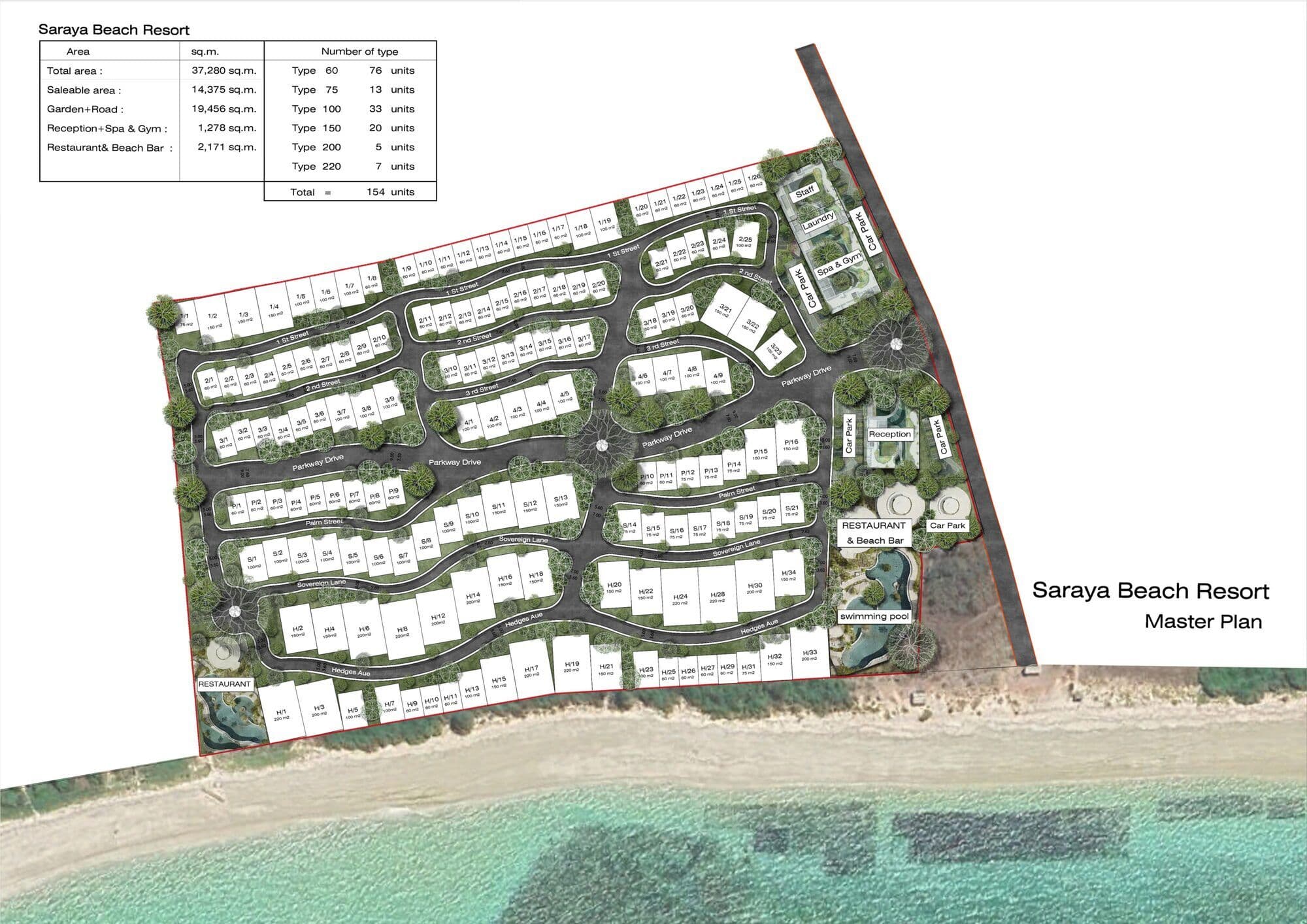
This is how it has built up its Buwun Mas holding, in Sekotong, plot by plot. Six adjoining plots are already settled, and the staff housing and site office now stand on them. The Sekotong and Buwun Mas guide describes the area, and the Saraya Beach Resort page covers the resort planned there.
Why independent Indonesian legal advice matters
This page gives general information only. Rules and procedures can change, and every property has its own history, so no general guide can tell a buyer whether a particular deal is sound.
Before signing anything, appoint an Indonesian lawyer who acts only for you. That means a lawyer independent of the seller, the developer and the agent, including any Kinnara business. Ask them to check the certificate, the permits, the zoning and the contract, and to explain the ownership structure in writing.
Kinnara, the marketplace Campbell founded, puts out free buying guides for overseas buyers, covering these topics in Indonesia and Thailand. They are a useful starting point, but not a substitute for advice on a specific purchase.
For the wider picture of why Campbell builds on the island, see Lombok property investment.
The information on this page is general and is not legal advice.